Design improvement of homogeneous Antibody-Radionuclide-Drug Conjugates to reach promising and efficient crossfire treatments of cancers
Dr Aurélie Maisonial-Besset, UMR 1240 IMoST INSERM Université Clermont Auvergne, Imagerie Moléculaire et Stratégies Théranostiques (IMoST), Clermont Ferrand (Tutelle : INSERM)
Antibody-radionuclide-drug conjugates (ARDC)
Cancers
Targeted radionuclide therapy
Radiosensitization
Bioconjugaison
- Budget : 1,65 M€
- Duration : 4 years (2026 – 2030)
One of the current challenges in the field of oncology is to successfully overcome or reduce intrinsic or acquired tumor resistance to conventional stand-alone treatments (i.e. chemotherapies or external beam radiation therapies, EBRT) that can significantly affect the therapeutic outcome for patients and promote recurrences. Thus, the development of innovative anticancer targeted therapies continues to be a challenging endeavor. Among them, antibody-drug conjugates (ADCs), that selectively deliver highly active cytotoxic payloads to the tumor site, are considered as game-changing drugs in the management of cancers thanks to their remarkable anti-tumor efficacy. In parallel, targeted radionuclide therapy (TRT) gains increasing interest and emerges as a promising therapeutic tool in nuclear medicine to deliver cytotoxic radionuclides to tumors using carriers (small molecules or macromolecules such as antibodies) specifically designed to target cancer cells.
In such context, the ATHENA project aims at combining these two therapeutic approaches and developing a chemical linker-platform to efficiently produce innovative and stable antibody-radionuclide-drug conjugates (ARDCs), that could carry both payloads and TRT radionuclide for an efficient crossfire targeted treatment of tumors. This strategy should allow us to create ARDCs with enhanced therapeutic efficacy through synergistic drug/radionuclide combination while overcoming innate or acquired cancer chemo- or radio-resistance. Improving the efficacy and tolerance of innovative biotherapies in patients could also help to improve their general perception and acceptability.
To achieve this objective, the ATHENA project will bring together interdisciplinary members of the research community in the development of radiopharmaceuticals for TRT (UMR 1240 IMoST UCA INSERM, Clermont-Ferrand), innovative ADCs (CEPR UMR 1100 Tours University, INSERM), and biomolecule conjugates characterization (Centre de Biophysique Moléculaire CNRS UPR4301, Orléans). This project addresses several axes of the BBTI program: (i) bioconjugation/bioorthogonal chemistry, (ii) biomedicines, radiotherapy products coupled to antibody or antibody-derived vectors, (iii) design of prodrugs associated with biomedicines, and (iv) development of innovative physicochemical methods for the characterization of biotherapies. Particularly, the project will concentrate on addressing the current lack of consensus surrounding the design and production of clinically effective ARDCs.
Cancer resistance to treatments such as chemotherapy and radiotherapy remains a major challenge in oncology. To address this issue, researchers are developing new strategies that can target tumor cells more precisely while sparing healthy tissues.
Targeted radionuclide therapy is a promising approach. It uses molecules that can recognize cancer cells and deliver a radioactive substance, known as a radionuclide, directly to the tumor. This substance releases radiation that damages the DNA of cancer cells and can ultimately destroy them. The radiation can also reach nearby tumor cells, including some that are not directly recognized by the treatment.
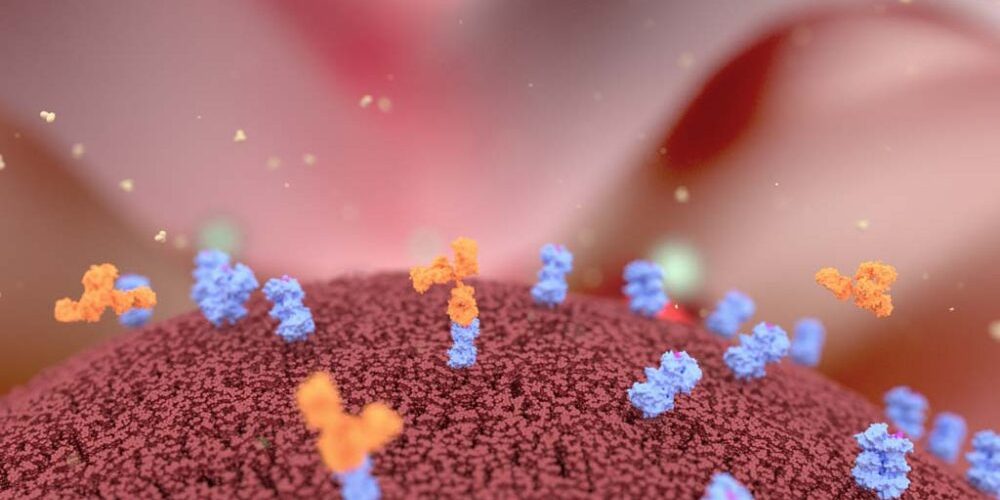
Another approach uses antibodies, which are proteins that can specifically recognize certain cells, to deliver highly potent anticancer drugs directly to tumors. Some of these drugs can also make cancer cells more sensitive to radiation.
The ATHENA project aims to combine these two strategies in a single treatment. Researchers will develop antibodies capable of delivering both a radioactive substance and an anticancer drug directly to tumors.
This combination could attack tumor cells through several complementary mechanisms and help overcome their resistance to treatment. The project will also focus on precisely controlling the amount and positioning of these therapeutic substances on the antibody, with the aim of improving the stability and effectiveness of the treatment while limiting unwanted side effects. Ultimately, this approach could contribute to the development of new treatment options for cancers that are difficult to treat.
| Dr. Aurélie Maisonial-Besset, UMR 1240 IMoST INSERM Université Clermont Auvergne, Imagerie Moléculaire et Stratégies Théranostiques (IMoST), Clermont Ferrand (Tutelle : INSERM) | |||||||
| Dr. Caroline Denevault-Sabourin, CEPR UMR 1100 Université de Tours, INSERM, UFR de Médecine, Tours (Tutelle : Université de Tours) | |||||||
| Dr. Guillaume Gabant, Centre de Biophysique Moléculaire CNRS UPR4301, Orléans (Tutelle : CNRS) | |||||||