Corneal bioimpression for advanced surgical reparation
Eric Gabison – UMR 976
Université Paris Cité – Fondation A. de Rothschild – CNRS – Inserm
Ulceration
Cornea
3D printing
Cell Therapy
Tissue reconstruction
- Budget: 1.6 M€
- Duration: 4 years (2025 – 2029)
- Reference: ANR-24-PEBI-0001
The aim of this project is to establish a French consortium to produce 3D-printed corneal epithelial-stromal equivalents compatible with Good Manufacturing Practises (GMP), suitable for corneal grafting. These printed corneas will be produced using allogenic corneal epithelial cells and corneal or umbilical cord mesenchymal stromal cells as the source of the stromal cells.
Current cell therapies for corneal disorders generally focus on epithelial or stromal components separately. However, the epithelial compartment cannot survive on a defective stroma. Long-term results of epithelial cell therapies in severely affected corneas show that purely epithelial grafts ultimately require stromal replacement, such as keratoplasty, as they cannot establish themselves durably on a diseased stroma. Currently epithelial-stromal composites have not yet been proposed for human corneal reconstruction. Therefore, this project aims to create self-supporting, 3D-printed epithelial-stromal composites to overcome limbal stem cell deficiencies and/or treat corneal ulcerations. These composites are expected to correct pathological scarring, neovascularization and reduce/prevent associated inflammation. These bioengineered corneal equivalents will also prevent corneal fibrosis by grafting a maturing basement membrane and reduce corneal irregularities by replacing the melted stroma. The ability to print and cryoconserve large sheets of epithelial-stromal equivalents promises to revolutionize the management of corneal disorders leading to blindness, by directly addressing ulceration and visual rehabilitation, while significantly reducing production time and costs while increasing the availability of these treatments in clinical settings in a context of graft shortages. Corneal bioequivalents will be also available for experimental pharmacological and toxicological models for advanced biotherapies such as extracellular vesicles and chemotherapy-conjugated antibodies. The consortium is composed of experts in GMP-compliant bioprinting, cryopreservation, translational research, and experimental corneal surgery. These teams have a proven track record in these fields and already have the infrastructure and skills needed to execute the COBRAS program, thereby limiting the risks associated with such an innovative project.
The cornea is the transparent layer at the front of the eye and plays a vital role in vision. When it is severely damaged by disease, injury, or abnormal healing, a corneal transplant may be needed. However, there are not enough donor corneas available for transplantation, and current treatments do not always provide long-lasting repair.
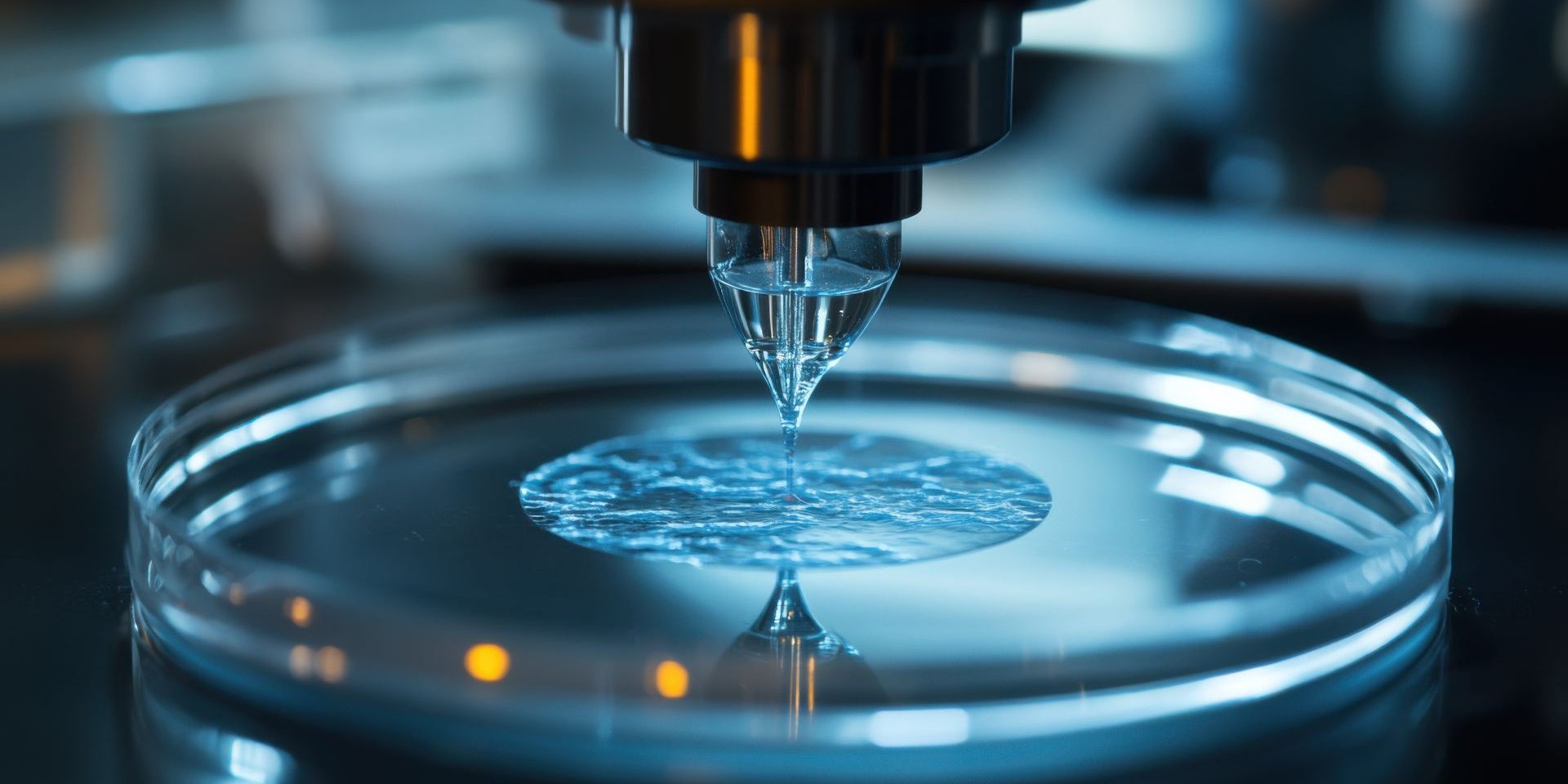
The COBRAS project aims to develop a new generation of artificial corneas made in the laboratory using 3D printing. These bioengineered grafts will combine several types of cells to more closely reproduce the structure of the natural cornea and improve their ability to repair damaged tissue.
The researchers will use cells that can contribute to the reconstruction of both the surface of the eye and the deeper layers of the cornea. This approach could help improve the treatment of corneal ulcers, reduce complications associated with abnormal healing, and lower the risk of inflammation or loss of corneal transparency.
The project will also develop manufacturing and storage methods suitable for medical use, with the goal of making these grafts more readily available to patients. In the long term, these bioengineered corneas could provide a new treatment option for certain causes of blindness and could also serve as innovative models for testing future ophthalmic treatments.
| Coordinating partner: Eric Gabison – UMR 976 Université Paris Cité – Fondation A. de Rothschild – CNRS – Inserm |
| Julie Veran – Centre d’investigation clinique Marseille Inserm |
| Marc Muraine – Délégation à la Recherche Clinique et à l’Innovation CHU de Rouen – Hôpital Charles-Nicolle |